
Blog Posts
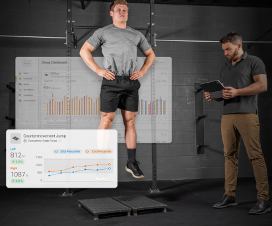
Unlock Your Best Movement with VALD ForceDecks at Ultimate Physio
Are you ready to objectively measure your movement, track your progress, and return to sport with confidence? Whether you’re an athlete chasing new performance highs, someone recovering from joint replacement surgery, or returning from injury — our VALD ForceDecks testing at Ultimate Physio, Tuam gives you gold-standard insights that make results measurable and meaningful.
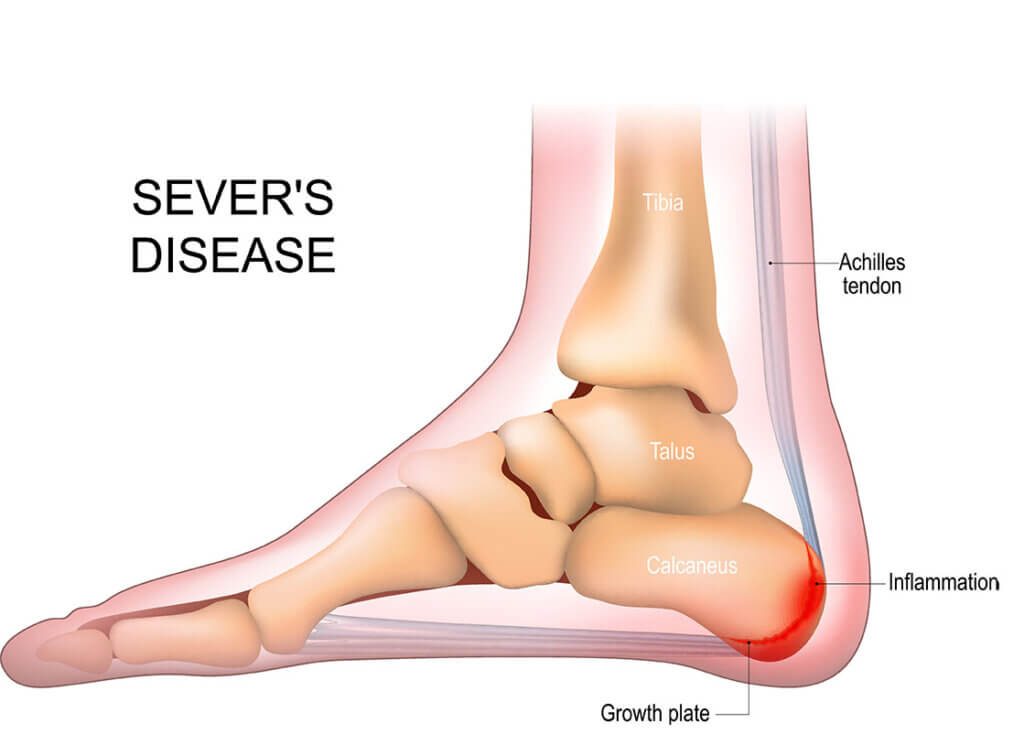
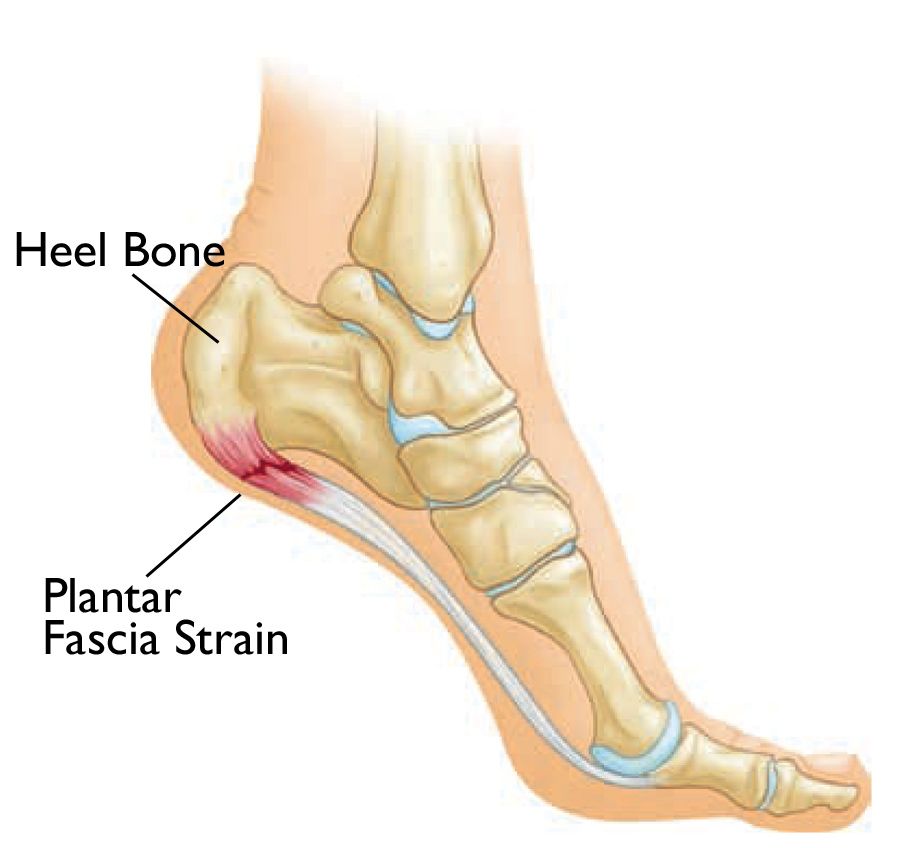
Understanding Sever’s Syndrome: A Guide for Parents and Young Athletes
Sever’s syndrome, also known as calcaneal apophysitis, is one of the most common causes of heel pain in children and adolescents, especially those who are physically active. At our Ultimate Physio Chartered Physiotherapy clinic, we often see this condition in growing children involved in sports such as hurling, football, gymnastics, athletics, and rugby. This blog will guide you through what Sever’s syndrome is, why it happens, and how physiotherapy can help manage it effectively.
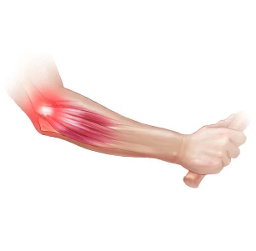
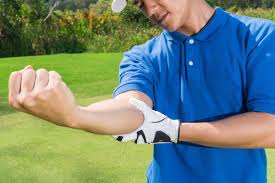
Understanding Tennis Elbow: A Chartered Physiotherapist’s Guide to Recovery
Despite its name, Tennis Elbow doesn’t just affect tennis players. Known medically as lateral epicondylitis, it’s a condition caused by overuse or strain of the forearm muscles and tendons that attach to the outside of the elbow. Repetitive wrist extension or gripping activities—whether on the court, in the garden, or at a desk—can cause small tears in the tendon, leading to pain, weakness, and inflammation.
Osgood-Schlatter Syndrome in Youth Knees
Osgood-Schlatter Syndrome (OSS) is a common condition affecting active adolescents, often leading to knee pain and discomfort. As a physiotherapist, understanding its causes, symptoms, and management is crucial to helping young athletes continue their activities safely and effectively.
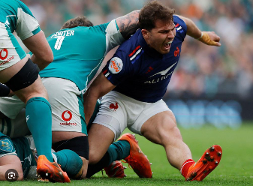
Anterior cruciate ligament (ACL)
The ACL plays a vital role in stabilising the knee by preventing excessive forward movement of the tibia (shinbone) relative to the femur (thighbone). It also helps control rotational movements of the knee, ensuring proper joint function during activities such as running, jumping, and cutting motions.
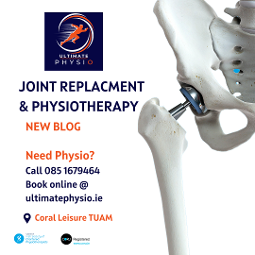
Hip replacement surgery
Hip replacement surgery is a transformative procedure that can greatly enhance mobility and alleviate pain for individuals suffering from arthritis, injuries, or degenerative joint diseases. However, the recovery process—especially physiotherapy—is crucial for the success of the surgery. In this guide, we’ll explore everything you need to know about hip replacement, the importance of physiotherapy, and what to expect during rehabilitation.

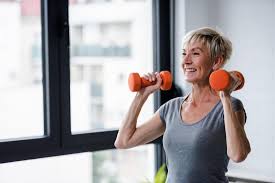
What is resistance training, and why does it help in injury rehabilitation?
Resistance training is a form of exercise that involves contracting muscles against an external resistance. This can be achieved using various objects like dumbbells, exercise tubing, or even your body weight. The goal of resistance training is to increase strength, power, muscle size, and endurance.
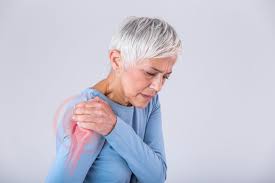
What is “the rotator cuff”?
The rotator cuff is a group of four muscles that attach the scapula (shoulder blade) to the upper arm via tendons. Its job is to provide extra support to the shoulder joint, which is shallow, and keep it within the socket/joint while allowing efficient shoulder movement in various directions. Soreness in the shoulder is often caused by injury to one or more of these muscles.
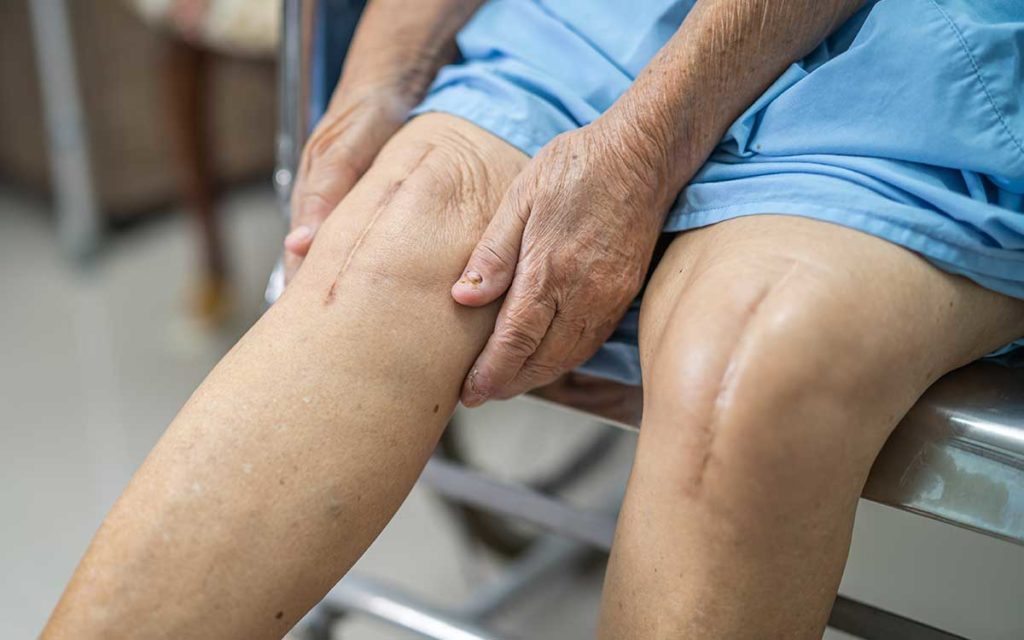
Knee replacements and how Physiotherapy can help you.
Knee replacement surgery is a common procedure in Ireland, with around 2200 performed each year due to osteoarthritis. Physiotherapy is an important part of the recovery process, both before and after surgery. Prehab, a period of strength training before the operation, can help make post-op rehab easier.

© Copyright Ultimate Physio