
Plantar fasciitis
March 2024
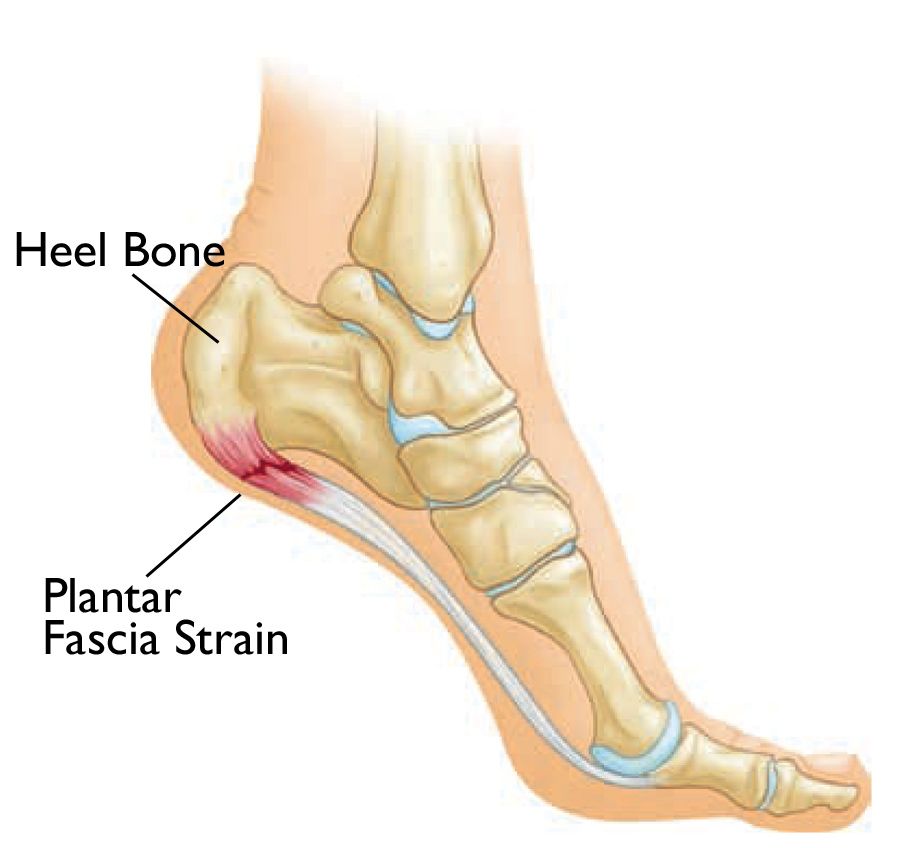
Plantar fasciitis is a common cause of heel pain. It occurs when the plantar fascia, a thick band of tissue that runs across the bottom of each foot and connects the heel bone to the toes, becomes inflamed due to collagen degeneration at the origin. The plantar fascia is essential for providing support to the arch and shock absorption.
Plantar fasciitis often causes a stabbing pain that is most noticeable with the first steps taken in the morning, due to micro-tears in the plantar fascia caused by repetitive strain. As you move around, the pain may decrease, thanks to increased blood circulation and tissue temperature, but it may return after standing for extended periods or when getting up after sitting.
This condition is more common in runners and overweight individuals, and it can be caused by sudden increases in physical activity, tightness in the calf muscles, or heel trauma. The average plantar heel pain episode lasts longer than six months and affects up to 10-15% of the population.
Symptoms and Diagnosis:
- Plantar fasciitis is a condition that can cause a sharp pain in the bottom of the foot near the heel.
- The heel may be sore to the touch in a particular spot.
- The pain is often worse when taking the first few steps after waking up, or after standing for long periods of time.
- To diagnose this condition, a clinical examination is usually conducted which includes evaluating the patient's medical history, physical activity, and foot pain symptoms.
Rick factors:
Some factors can increase your risk of developing this condition. They include:
- Plantar fasciitis is most common in people between the ages of 40 and 60.
- Activities that place excessive stress on your heel and attached tissue — such as long-distance running and dancing.
- Excess body weight put extra stress on your plantar fascia.
- Occupations that keep you on your feet such as factory workers, teachers and others who spend most of their work hours walking or standing.
- Females present with plantar fasciitis slightly more commonly than males.
Chartered Physiotherapy Treatment & Management:
- Visit a Chartered Physiotherapist for a full examination of the foot.
- Relative rest from offending activity.
- Ice after activity as well as oral or topical NSAIDs can be used to help alleviate pain.
- Deep friction massage of the arch and insertion.
- Shoe inserts or orthotics and night splints may be prescribed in conjunction with the above
- Taping to offload the fascia.
- Weight management and nutrition advice.
- Strength and stretching rehab of the: plantar fascia; Achilles’ tendon; gastrocnemius; and soleus muscles.
If you are suffering from heel pain it may be plantar fasciitis. Ultimate Physio Located in Tuam Galway can help you reduce the pain and overcome your injury so you can get back to the activities you enjoy.
Call us today Darragh on 0851679464 or book online at www.ultimatephysio.ie
© Copyright Ultimate Physio